宇迦之御魂神 Uka-no-Mitama-no-Kami
誉田別命 Homudawake-no-Mikoto
大床主神 Ōtokonushi-no-Kami
武甕槌神 Takemikaduchi-no-Kami
経津主神 Futsunushi-no-Kami
水波女神 Mizuhame-no-Kami
須佐之男命 Susanoo-no-Mikoto
大物主神 Ōmononushi-no-Kami
大床主神 Ōtokonushi-no-Kami
菅原道真公 Sugahara Michizane
事代主神 Kotoshironushi-no-Kami
These Kami-sama are housed in Auxiliary Shrines, located in the shrine precinct at our Parent Shrine in Matsue, Japan. They are associated in different ways with our main Kami-sama.
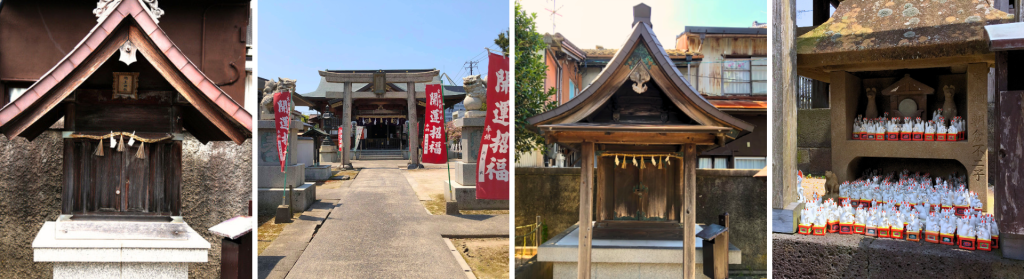
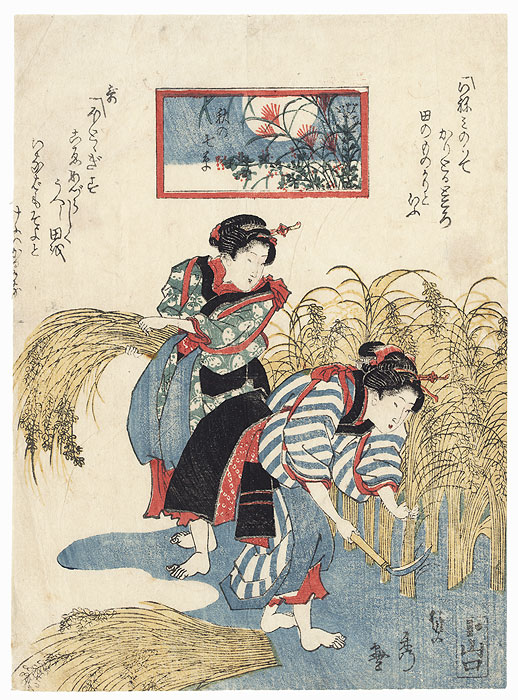
Inari Ōkami-sama is principally Uka-no-Mitama-no-Kami.
Kami-sama of success, productivity, business, food, and harvests. It is through this Kami’s divine virtue as the root of life that we can enjoy the blessings of nature.
The name “Inari” is short for ine ni naru (“reaping of rice”), and reflects the divine nature of agriculture for which Inari Ōkami-sama was first revered.
You can find more details here: Inari and Kitsune 稲荷と狐
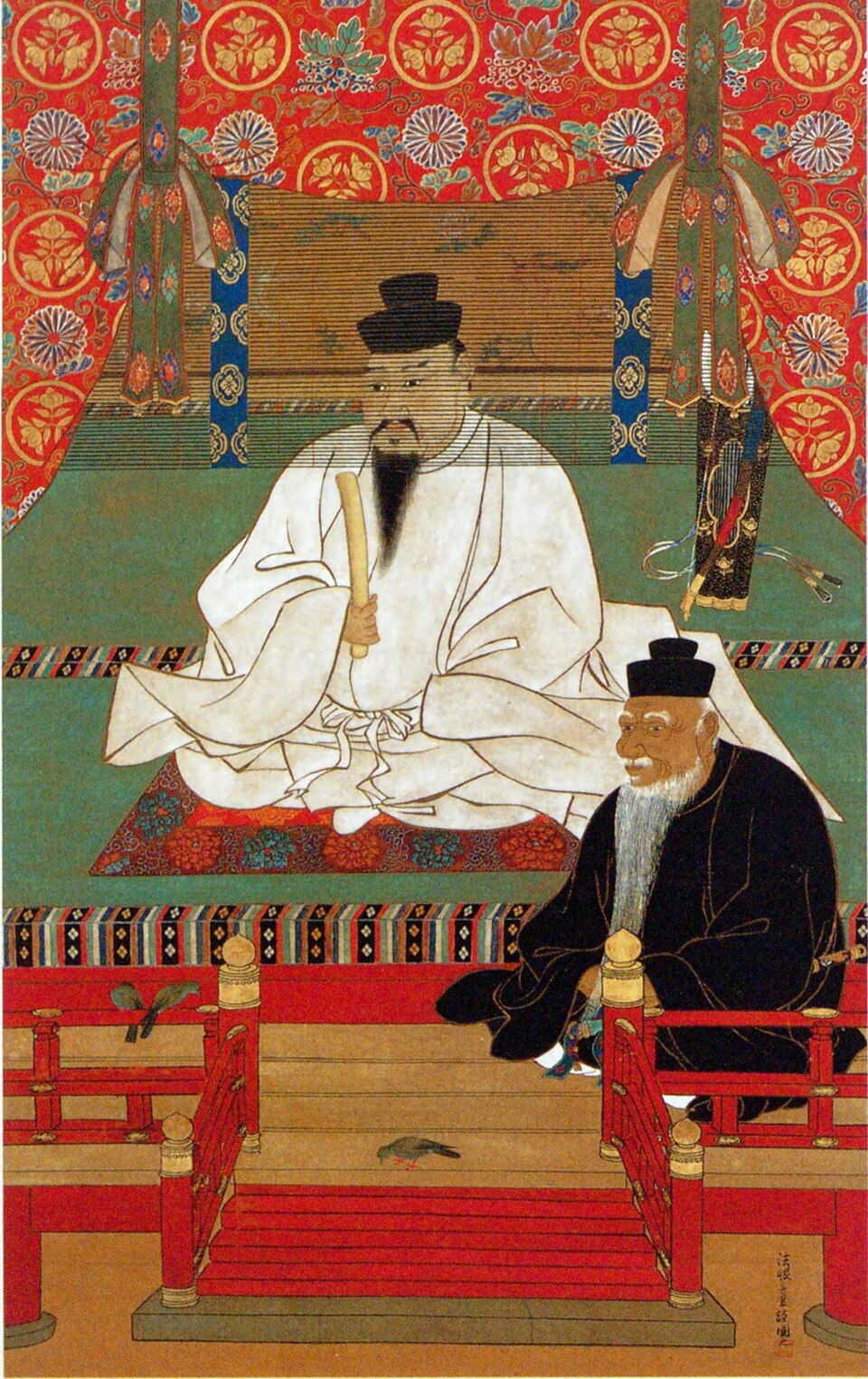
Homudawake-no-Mikoto is the Kami-sama of literary and military arts to whom samurai paid respect.
Homudawake-no-Mikoto is the given name of Emperor Ōjin, the 15th Emperor of Japan according to traditional accounts. He was the son of Emperor Chūai and his consort Okinagatarashihime (Empress Jingū).
According to the Kojiki, Homudawake-no-Mikoto was also known as Ōtomowake-no-Mikoto.
The Nihon Shoki records a story in which the crown prince Homudawake exchanged names with the Kami-sama Izasawake-no-Kami (Kehi Ōkami). Interpretations of this story differ, with later scholars such as Motoori Norinaga arguing that the exchange did not mean that each simply took the other’s name, but rather that the Kami-sama received one of the prince’s names.
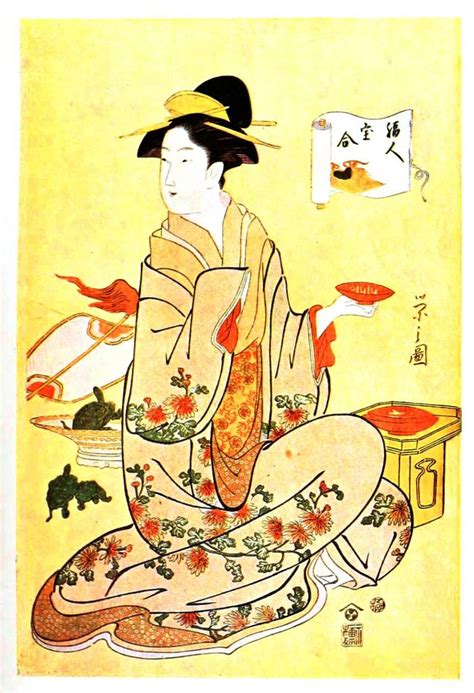
Ōtokonushi-no-Kami is worshipped as a Kami-sama for the recovery from illness and the restoration of health.
At Shusse Inari Jinja, Ōtokonushi-no-Kami is enshrined as one of the Kami-sama associated with byōki heiyu (病気平癒), the healing and recovery from illness.
Ōtokonushi-no-Kami was originally enshrined at Jinushi Jinja (地主神社), located within the residence of the Moriwaki family in Shirakata-Honmachi, Matsue. The shrine was dedicated to the local community’s guardian deity, and Ōtokonushi-no-Kami was worshipped there as its principal Kami-sama.
At the request of the local community, Ōtokonushi-no-Kami was transferred to Shusse Inari Jinja, where he is now enshrined in a Massha within the shrine grounds.
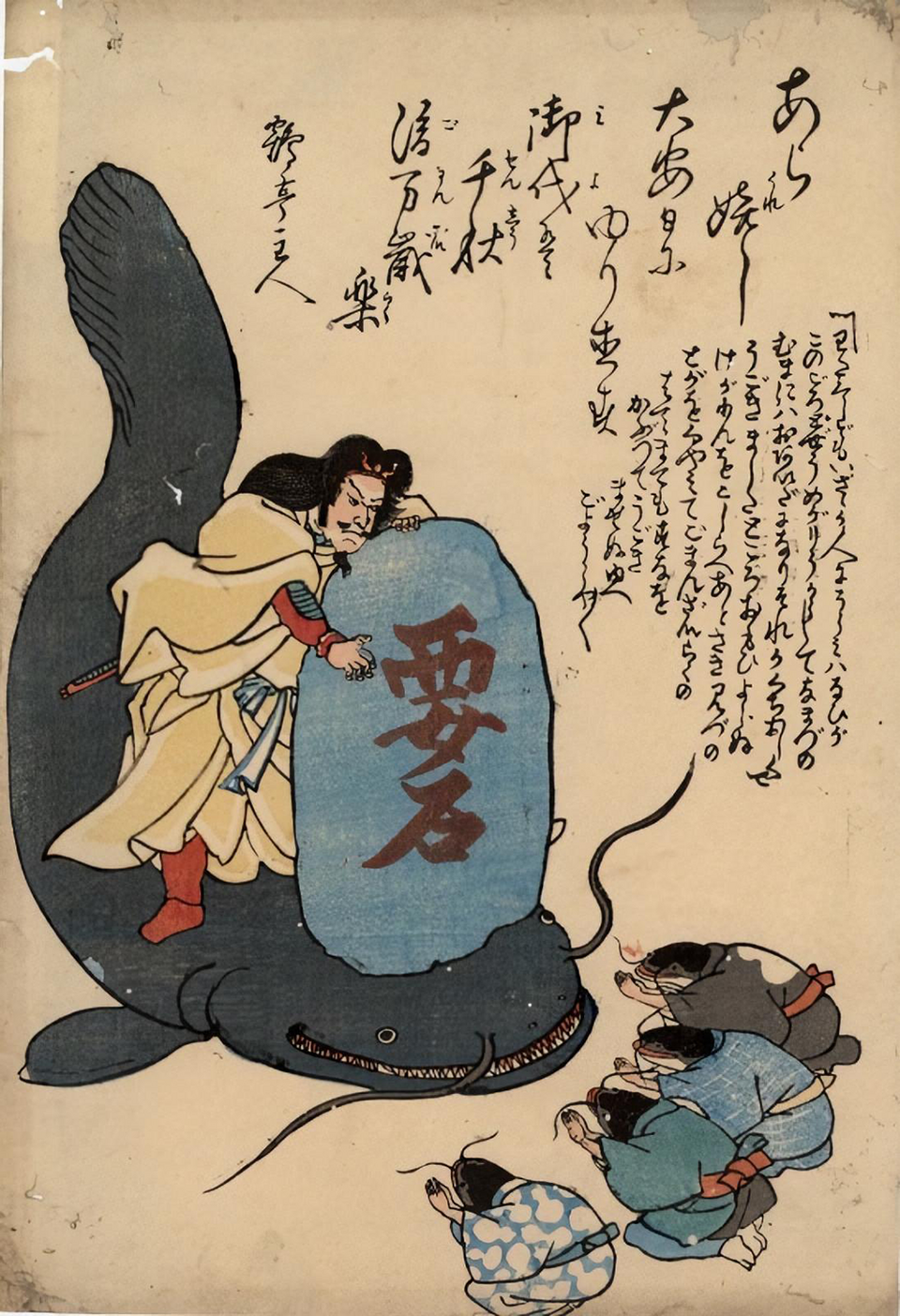
Takemikaduchi-no-Kami is a Kami-sama known for martial arts and victory.
Takemikazuchi-no-Kami is associated with swords, thunder, martial power, and the pacification of the land. According to the Kojiki, he was born from the blood that fell from the sword of Izanagi-no-Mikoto when he defeated the fire Kami-sama Kagutsuchi.
Together with Amanotorifune-no-Kami in the Kojiki, or Futsunushi-no-Kami in the Nihon Shoki, Takemikazuchi-no-Kami descended to Izumo to request that Ōkuninushi-no-Kami transfer authority over the land to the heavenly Kami-sama (Amatsukami).
In the Kojiki, Takemikazuchi-no-Kami also faced Takeminakata-no-Kami, the son of Ōkuninushi-no-Kami, in a test of strength and defeated him, leading Takeminakata to withdraw to Suwa in Shinano Province.
During Emperor Jinmu’s eastern campaign, Takemikazuchi-no-Kami sent his sacred sword Futsunomitama to aid Jinmu’s forces instead of descending himself. Through these stories, Takemikazuchi-no-Kami became associated with victory, protection, and the establishment of order.
Takemikaduchi-no-Kami and Futsunushi-no-Kami were originally enshrined at a nearby Matsue Han school as the school’s tutelary deities. Due to the abolition of the Han system and subsequent closure of Han schools in 1871, these Kami-sama were transferred to our parent shrine. They are now subsidiary Kami-sama enshrines at Shusse Inari Jinja.
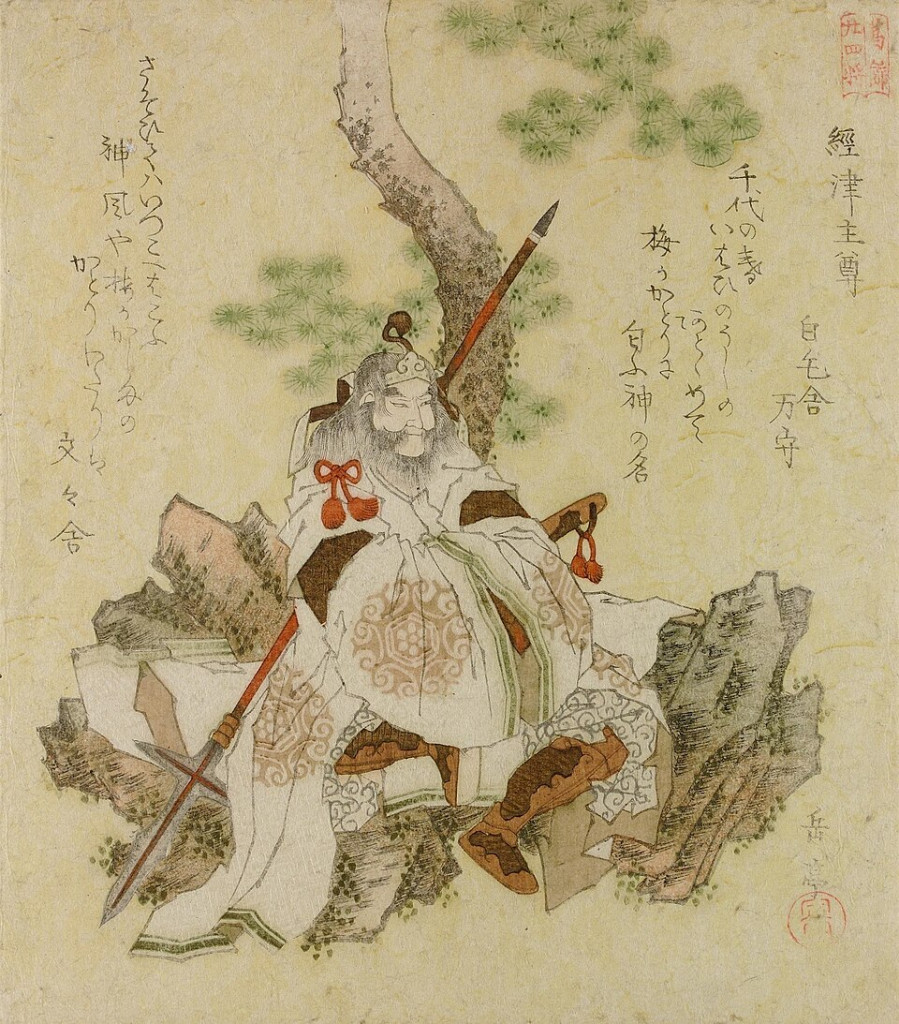
Futsunushi-no-Kami is a Kami-sama known for martial arts and victory.
Futsunushi-no-Kami is associated with swords, martial power, and protection. He is sometimes understood as the divine personification of the sacred sword Futsu-no-Mitama and is revered as one of the ancestral Kami-sama (Sojin) of the Fujiwara clan.
In Japanese mythology, Futsunushi-no-Kami appears alongside Takemikazuchi-no-Kami in the story of pacifying Ashihara-no-Nakatsukuni (the Central Land of Reed Plains). While some accounts describe them descending together from Takamagahara, other traditions, including those from Izumo, describe Futsunushi-no-Kami acting independently.
Futsunushi-no-Kami was historically associated with warrior clans, especially the Mononobe clan, and was worshipped as a Kami-sama of military strength and victory.
Takemikaduchi-no-Kami and Futsunushi-no-Kami were originally enshrined at a nearby Matsue han school as the school’s tutelary deities. Due to the abolition of the Han system and subsequent closure of Han schools in 1871, these Kami-sama were transferred to our parent shrine. They are now subsidiary Kami-sama enshrines at Shusse Inari Jinja.
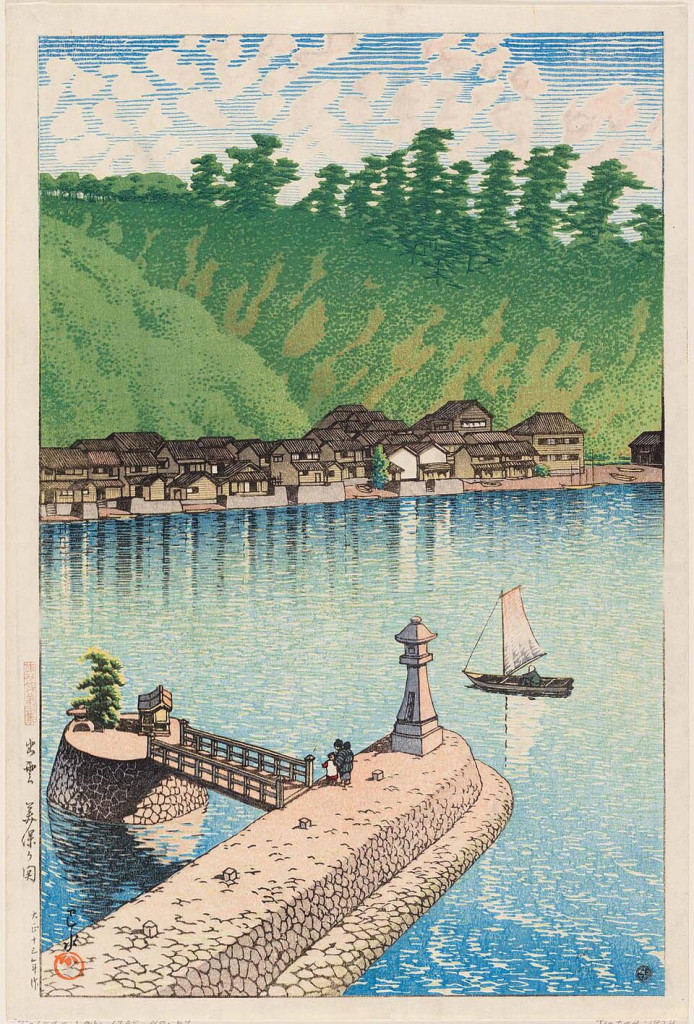
Mizuhame-no-Kami is a Kami-sama revered as the guardian of safe travel over water, protecting those who cross seas, navigate rivers, or live near bodies of water.
Mizuhame-no-Kami was originally enshrined at Jinushi Jinja (地主神社), located within the residence of the Moriwaki family in Shirakata-Honmachi, Matsue. Together with Ōtokonushi-no-Kami, Mizuhame-no-Kami was worshipped there as one of the shrine’s principal deities.
At the request of the local community, Mizuhame-no-Kami is now enshrined in the main sanctuary (Honden) of Shusse Inari Jinja.
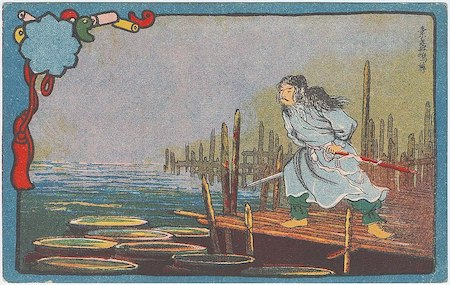
Susanoo-no-Mikoto is a Kami-sama born from Izanagi-no-Mikoto during his purification (Misogi) after returning from Yomi, the land of the dead. The other two Kami-sama born during the purification are Amaterasu Ōmikami and Tsukuyomi-no-Mikoto.
Susanoo-no-Mikoto was given authority over the sea plain by Izanagi-no-Mikoto, but his actions led to his banishment. He later visited Amaterasu Ōmikami in Takamagahara, where his violent behavior caused Amaterasu to hide herself inside the Heavenly Rock Cave (Amano-Iwato), bringing darkness to the world.
After being banished from Takamagahara, Susanoo descended to Izumo, where he defeated the eight-headed serpent Yamata no Orochi and obtained the sacred sword Kusanagi-no-Tsurugi. Through this act, he became associated with protection, order, and the establishment of harmony in the land.
Susanoo is a complex Kami-sama, sometimes portrayed as disruptive and wild, yet also as a protector and bringer of order. He is associated with various aspects of nature, including wind and rain, and is worshipped at many Shinto shrines throughout Japan.
Susanoo-no-Mikoto is enshrined in a Massha (Associate Shrine) at Shusse Inari Jinja.
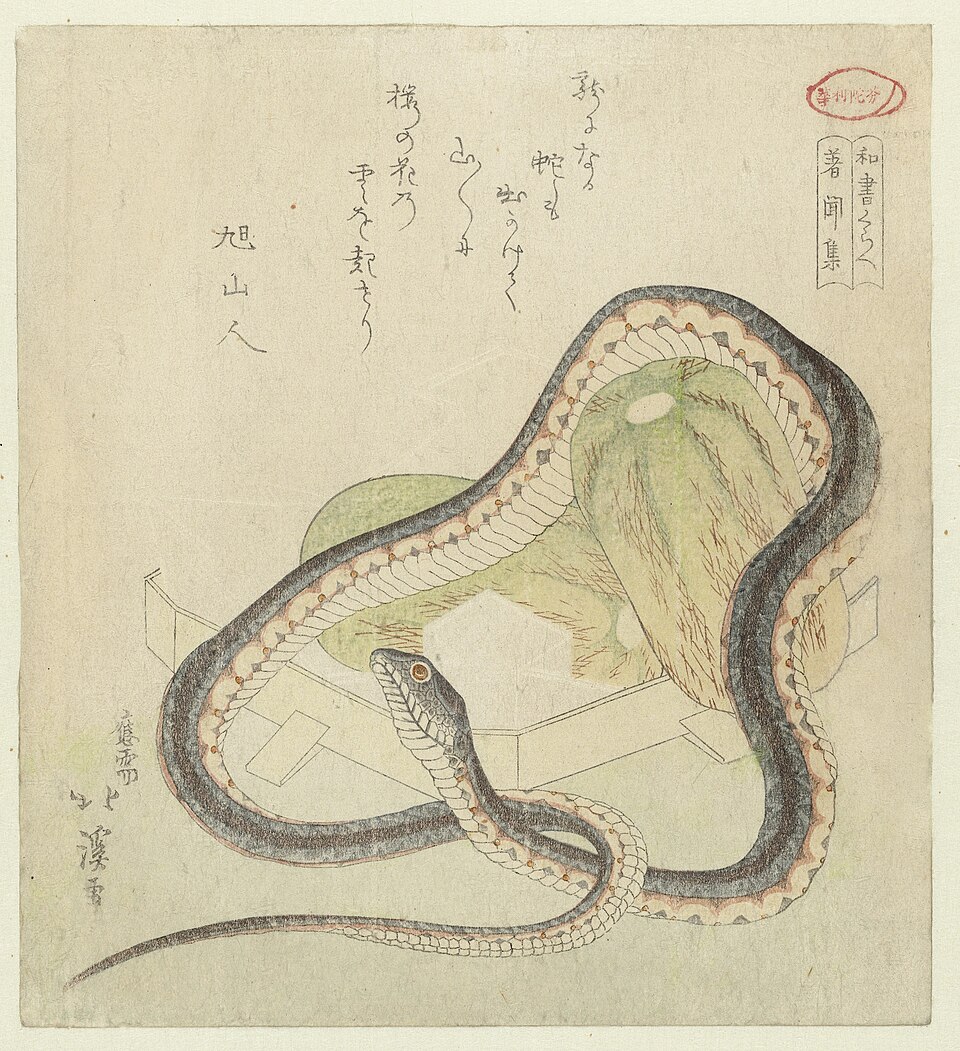
According to the Nihon Shoki, Ōmononushi was another name for Ōkuninushi-no-Kami. The Nihon Shoki also identifies Ōmononushi-no-Kami with the Sakimitama and Kushimitama of Ōnamuchi, aspects of the spirit associated with blessings, success, and health.
However, it is thought that Ōmononushi-no-Kami may have originally represented a separate Kami-sama.
In the Kojiki, Ōmononushi-no-Kami appears in the story of Emperor Jinmu, where he is said to have transformed himself into a red-lacquered arrow and formed a connection with the maiden Seyadatarahime, whose daughter Isukeyorihime later became the consort of Emperor Jinmu.
According to the records of Emperor Sujin in both the Kojiki and Nihon Shoki, during a time of pestilence and disaster, an oracle revealed that Ōmononushi-no-Kami wished to be worshipped by his descendant Ōtataneko at Mount Miwa. Another legend describes Ōmononushi appearing in the form of a small snake, which became associated with the sacred mountain of Miwa. The legends surrounding Ōmononushi and Mount Miwa form an important group of stories known as the “Mt. Miwa type” of legends.
Ōmononushi-no-Kami is enshrined in a Massha (Associate Shrine) on the shrine grounds at Shusse Inari Jinja.
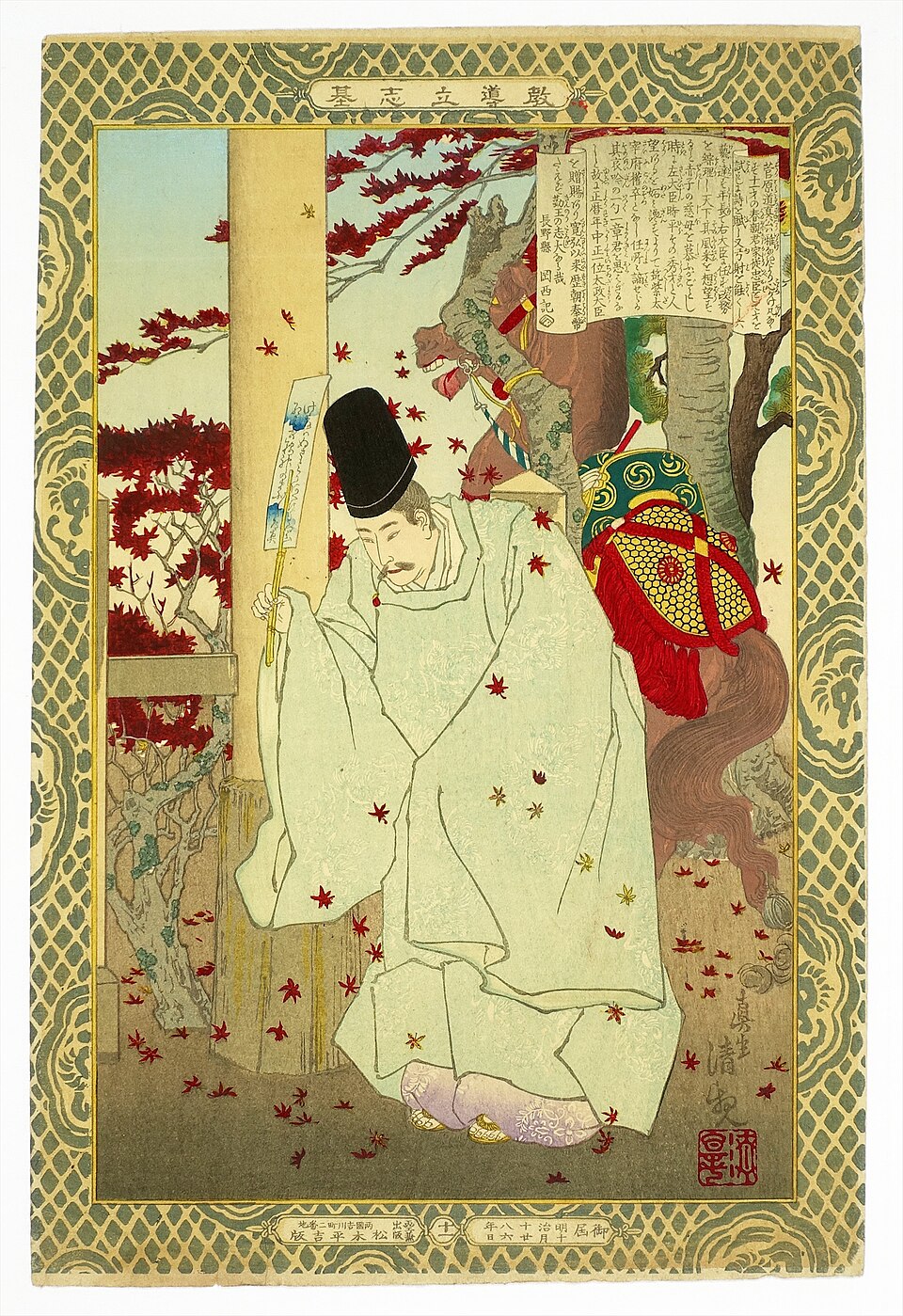
Sugawara Michizane is a Kami-sama known for learning, scholarship, and academic success.
Sugawara Michizane was a distinguished scholar, poet, and statesman of the Heian period. Renowned for his exceptional knowledge and literary abilities, he devoted his life to scholarship and public service. Today, he is widely revered as Tenjin-sama, the Kami-sama of learning, education, and academic achievement.
Michizane rose to prominence through his scholarly abilities and was appointed to the position of Udaijin (Minister of the Right) under Emperor Daigo. However, due to political rivalries at the imperial court, he was falsely accused of plotting against the throne and was exiled to Dazaifu in Kyushu. He passed away there in 903, without returning to the capital.
Following his death, a series of disasters and unusual events in the capital were attributed to his vengeful spirit. To appease his spirit, he was posthumously honoured and enshrined as Tenjin, eventually becoming one of Japan’s most revered deities. Through his life and devotion to scholarship, Sugawara Michizane became associated with learning, calligraphy, poetry, and academic success.
Sugawara Michizane is enshrined in a Massha (Associate Shrine) on the shrine grounds at Shusse Inari Jinja.
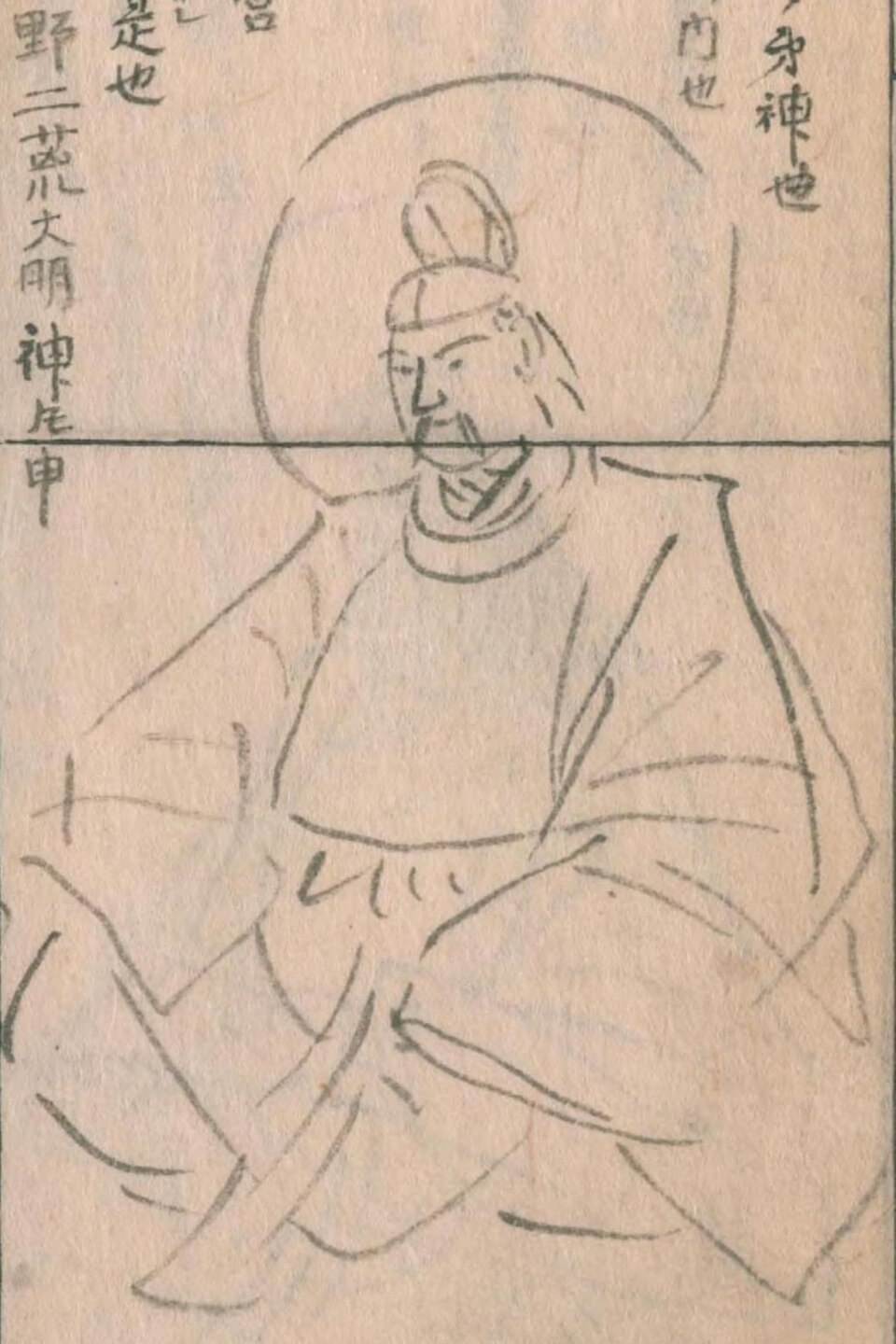
Kotoshironushi-no-Kami is a Kami-sama and the offspring of Ōkuninushi-no-Kami.
He also is known as Kotoshironushi-no-Mikoto (Nihon Shoki) or Yae-Kotoshironushi-no-Kami (Kojiki).
During the pacification of Ashihara-no-Nakatsukuni (the Central Land of Reed Plains), Takemikazuchi-no-Kami, acting as an envoy of the heavenly Kami-sama (Amatsukami), confronted Ōkuninushi-no-Kami and requested that he relinquish the land to the Heavenly Grandchild. Ōkuninushi entrusted his response to Kotoshironushi, who accepted the request and pledged allegiance to the heavenly Kami-sama before “hiding himself away” inside an enclosure of green leaves that he created in the ocean.
Because of this story, Kotoshironushi is regarded as a Kami-sama who conveys the will of other Kami-sama.
Kotoshironushi-no-Kami is enshrined in a Massha (Associate Shrine) at Shusse Inari Jinja.
Disclaimer: All images are in the public domain. Depictions of Kami-sama are historical illustrations used for cultural and educational purposes.